Sewer Services at
JXN Water
JXN Water manages the city’s wastewater collection and treatment system to keep neighborhoods clean, safe, and free from overflows. Since taking over wastewater operations in 2023, our team has repaired hundreds of sewer issues, inspected miles of pipe, and invested in new technology to better serve Jackson residents.

250+
Sewer overflows repaired

100+
miles of sewer pipe inspected

3
daily response crews in the field
What Causes Sewer Problems?
Most backups happen when grease, tree roots, or broken pipes block the flow of wastewater. These issues often start on the customer’s side of the system but can spread to public lines if not resolved early.
How to Report a Problem
If you notice signs of a sewer issue-such as backups, standing water, or strong odors-call out 24/6 Customer Line at (601) 500-5200. We’ll inspect the issue and let you know the next steps.
Monitoring and repairing

Preventing grease clogs
Service line responsibilities
Collection System & Technology
JXN Water maintains over 1,000 miles of sewer pipes, three wastewater treatment plants, and hundreds of manholes and pump stations across Jackson. Our job is to keep the wastewater flowing safely from homes and businesses to our plants for treatment.
Tools We Use
- CCTV camera inspections to view the inside of pipes
- Jetting and vacuum trucks to clean and clear blockages
- Die testing to find leaks and illegal connections
- GIS mapping to track system health
How We Fix Issues
Our emergency crews respond to overflow reports daily. We log, inspect, and repair each issue using high-tech equipment. We also plan proactive maintenance to prevent problems before they start.
FOG & Grease Trap Resources
What Is FOG?
FOG stands for fats, oils, and grease. These substances harden inside pipes and are a top cause of sewer blockages in Jackson. Even small amounts of grease washed down kitchen sinks can cause major backups.
What Should You Never Pour Down the Drain?
|
|
|
|
1. Wait for the grease to cool.
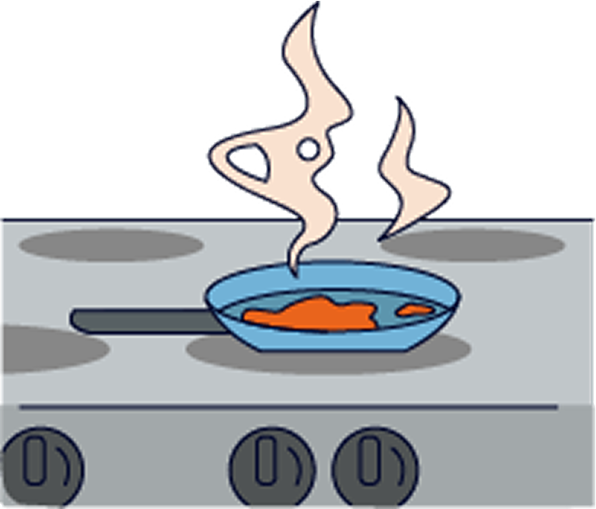
2. Pour or scrape grease into a can or jar.
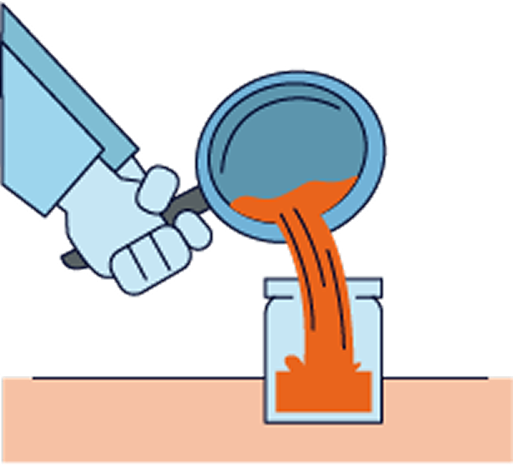
3. Wipe excess grease off dishes or pans with a paper towel.
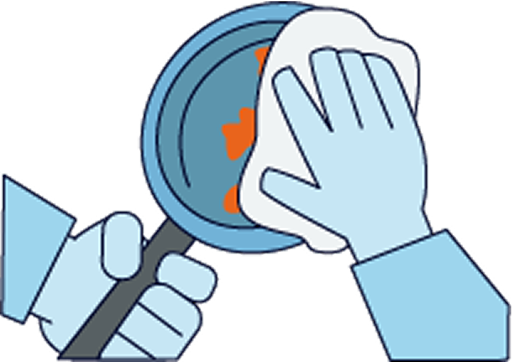
4. Allow the grease in the container to solidify and cool.
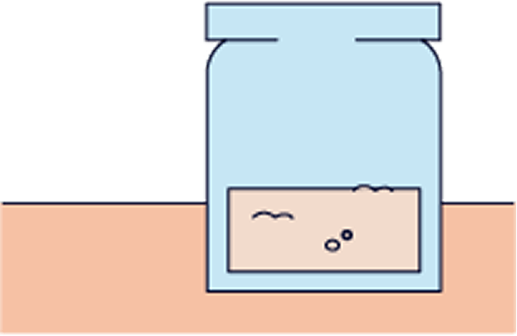
JXN Water offers support for schools and businesses with how-to guides and training on best practices.
Homeowners
Wait for the grease to cool. Pour or scrape grease into a can or jar. Wipe excess grease off dishes or pans with a paper towel. Allow the grease in the container to solidify and cool.
Commercial Kitchens & Schools
- Clean grease traps regularly, weekly or monthly, depending on use
- Maintain grease trap logs
- Train staff on proper disposal
Lateral Line Responsibilities
What Is a Lateral Line?
A lateral line connects your home or business to the city’s public sewer main. The portion on your property is your responsibility. The portion in the public right-of-way is JXN Water’s responsibility.
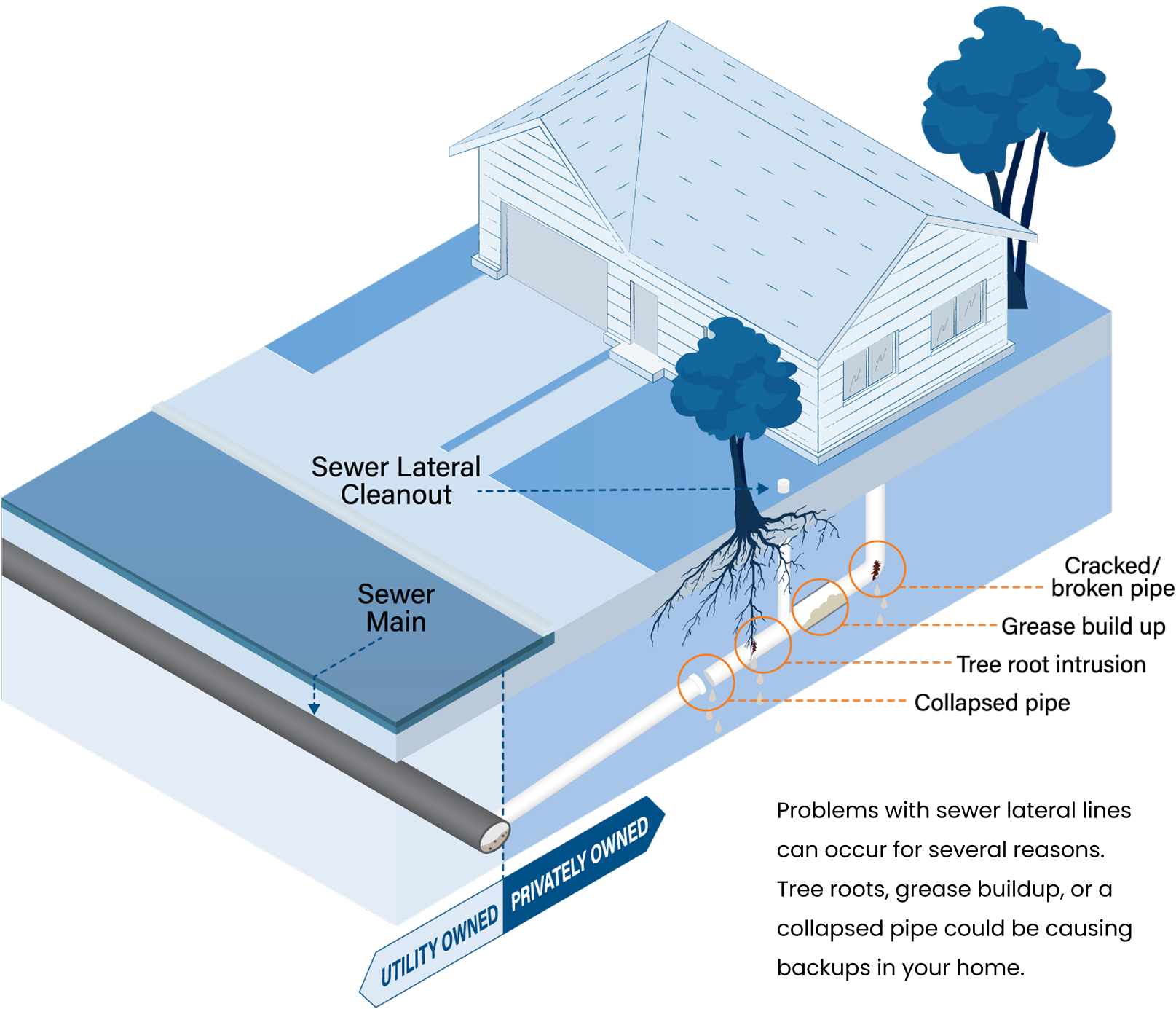
Who Fixes What?
- Property Owner: private lateral from building to property line
- JXN Water: public lateral from the property line to the sewer main
What If Your Have a Backup?
Call JXN Water first. We will inspect the line and let you know if the problem is on your side or ours. If it’s your line, we recommend hiring a plumber-preferably one from our RP3 referral program.
More Resources
Download our “Know Your Sewer Line” fact sheet
Learn about our RP3 plumber referral program